Book A Retreat
Healthy Ageing Journal

Understanding Advanced Glycation End Products (AGEs) and Their Impact on Health

What glycation does to the body, and how diet and fasting can help lower your AGE burden

Vietnam Detox
Healthy Ageing
2 min read
September 23, 2026

Advanced Glycation End Products (AGEs) are harmful compounds formed when sugars bind to proteins or fats in a process called glycation. This reaction occurs naturally in the body but can also happen during cooking, especially at high temperatures and with dry heat (e.g., frying, roasting, or grilling). Foods like seared meat, fried foods, and aged cheeses are particularly high in AGEs.

Colourful plate of fresh fruit and vegetables for healthy ageing
Fuel your body right! A colourful diet packed with antioxidants and nutrients fights glycation, protecting your skin and overall health. Eat the rainbow!

AGEs are concerning because they can alter protein structures, increase inflammation, and contribute to oxidative stress. Over time, this can lead to health issues such as insulin resistance, type 2 diabetes, and complications like vascular damage. A recent meta-analysis found that diets high in AGEs worsen fasting glucose, insulin levels, and insulin resistance—key markers of type 2 diabetes.

Why Reducing AGEs Matters

While the body can naturally clear some AGEs, excessive accumulation from diet or poor metabolic health overwhelms this process. Consuming a diet low in AGEs—focusing on steamed or boiled foods instead of fried or roasted ones—can significantly reduce AGE intake and its associated risks. Additionally, fasting has been shown to activate autophagy, a process where the body recycles damaged proteins, including those affected by AGEs.

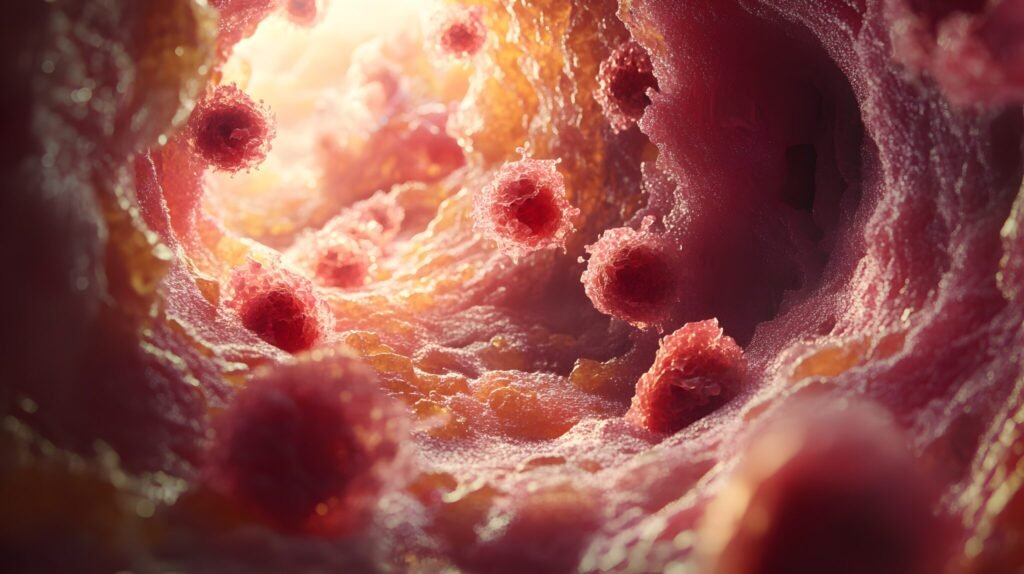
Artistic rendering of advanced glycation end products (AGEs)
An artistic rendering of Advanced Glycation End Products (AGEs), created when sugar interacts with proteins and lipids. These compounds are associated with ageing and disease.

Fasting Retreats: A Natural Way to Lower AGEs

At our Vietnam Detox retreats, we’ve observed that many guests experience a noticeable reduction in AGE levels by the end of their fasting program compared to their arrival day. This is likely due to autophagy—a natural “clean-up” mechanism triggered during fasting. Autophagy helps break down and recycle damaged proteins for energy, which may include AGE-modified proteins.

Vietnam Detox morning exercise session
Move to beat AGEs! Exercise regulates blood sugar and boosts metabolism, reducing the impact of glycation. Find your favourite activity and fight ageing!
Time-restricted eating during a Vietnam Detox retreat
Time-restricted eating fights glycation! Fasting improves insulin sensitivity, reducing AGE formation. Give your body a break to rejuvenate.
At our retreats
AGE score measured on arrival and departure days at Vietnam Detox
We measure your AGE scores on both the Arrival and Departure days, and we have observed that many of our guests tend to have lower AGE scores on the last day of the retreat. Autophagy, which is the process that recycles damaged proteins, appears to also contribute to a reduction in AGE levels during fasting.

Key Findings from Research

Key findings
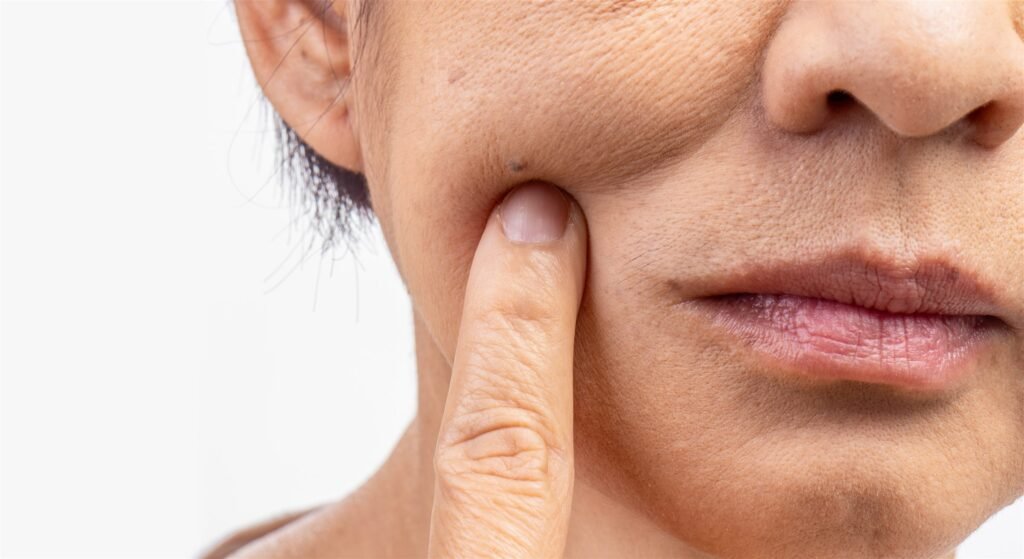
Close-up of wrinkled skin on an older woman’s face
Wrinkles got you down? AGEs (sugar-protein bonds) stiffen collagen, reducing skin elasticity and worsening wrinkles. Fight glycation!

Practical Tips to Minimize AGEs

By making deliberate dietary choices and embracing practices like fasting, you can reduce your body’s AGE burden and support long-term health. Join us at Vietnam Detox to experience the benefits firsthand!

Next Step

Explore our retreats

If you would like to experience a structured reset that supports long term vitality, functional health, and sustainable healthy ageing, explore our upcoming programmes in Vietnam and find the retreat that fits your goals.

More from the Journal

Why bloating signals an unhealthy gut, and five practical ways to restore balance.
September 23, 2026
Why muscle strength may be one of the most overlooked pillars of healthy ageing.
September 23, 2026