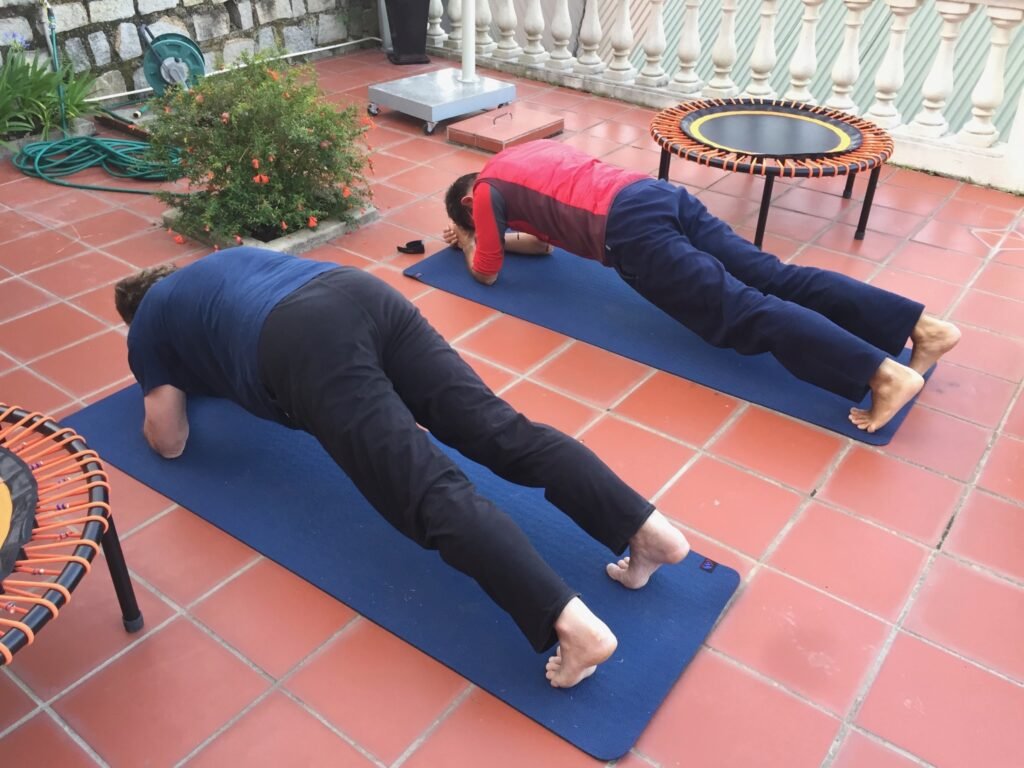
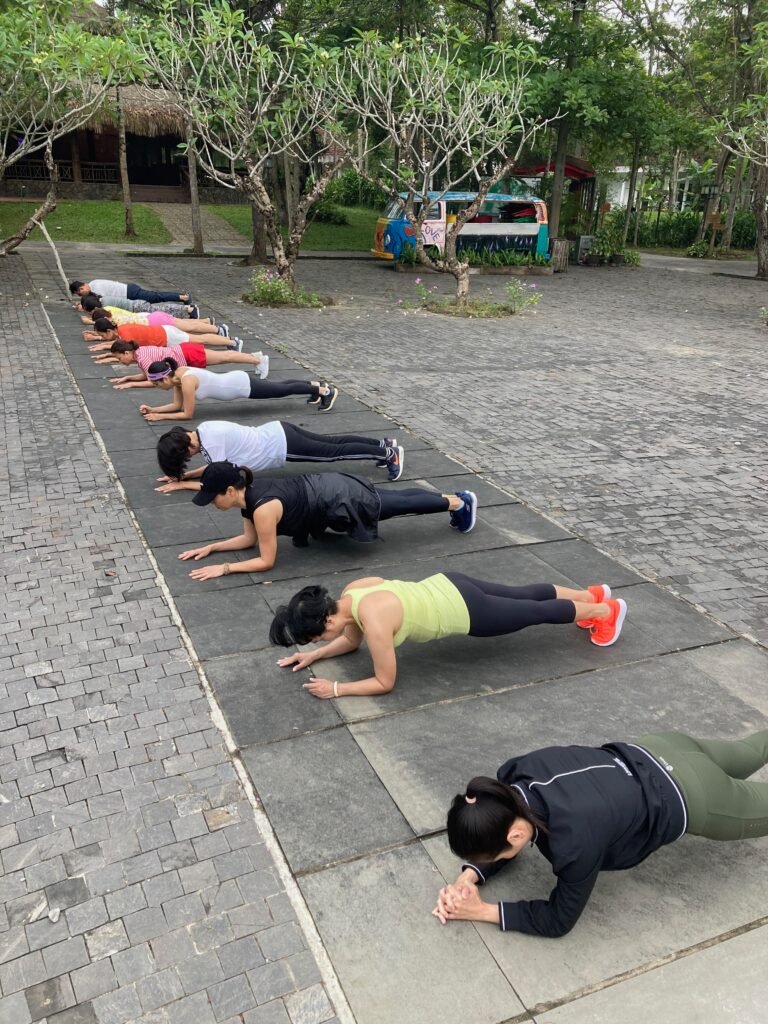
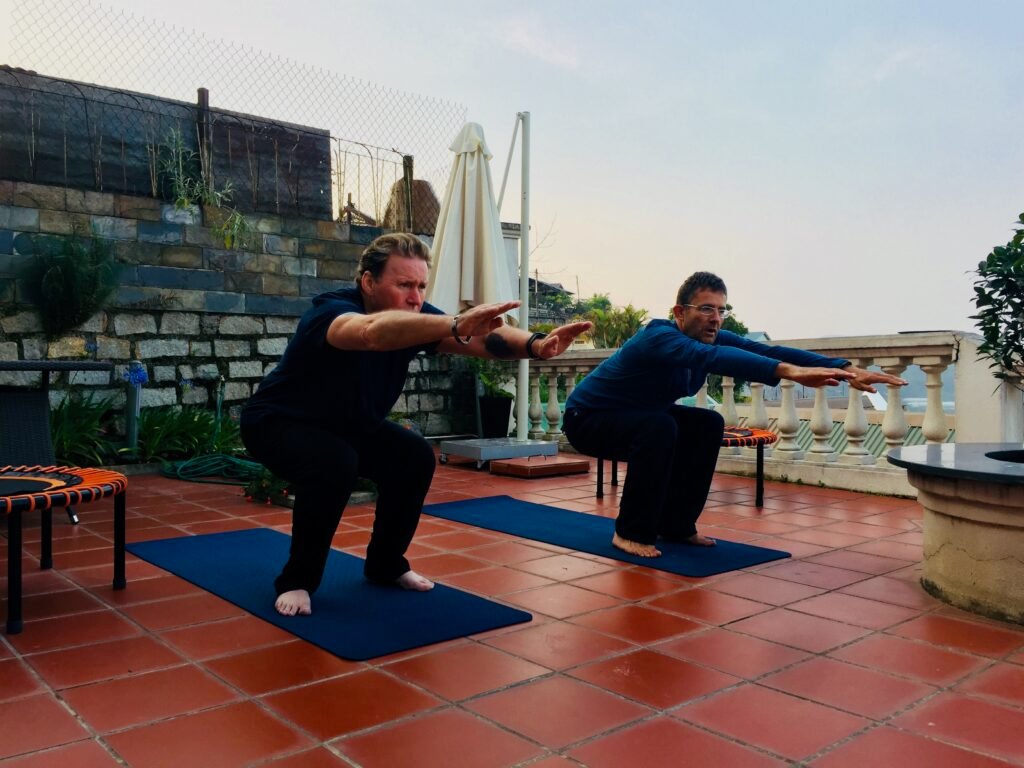
At Vietnam Detox, muscle mass and strength have been part of the healthy ageing conversation for many years. During our fasting resets, the aim has never been simply to help people feel lighter, but to help them stay more functional and better prepared for the decades ahead.
Modern research now supports what clinicians, movement practitioners, and healthy ageing experts have been observing for a long time. Muscle is a major determinant of how well we move, recover from illness, and remain capable as we get older.
This matters because many people focus on weight, body fat, or BMI, while missing something far more important. Low muscle strength and low muscle reserve are strongly linked with frailty, falls, poor recovery, loss of independence, and shorter lifespan. In simple terms, strength is one of the best investments we can make for the future.
Ageing is not only about time. It is also about how consistently we keep moving.
Muscle is more than strength
When most people think about muscle, they think about lifting weights, sport, or physical appearance. In reality, muscle plays a much broader role in the body.
Muscle is a reserve of amino acids the body can draw on during illness, surgery, recovery, or undernutrition. It also supports blood sugar control, energy metabolism, posture, breathing, stability, and day to day function. When muscle mass declines too far, the body has less reserve and less physical capacity to stay independent.
Skeletal muscle is also the main place where the body clears glucose after a meal. When muscle shrinks and becomes less responsive to insulin, blood sugar regulation can start to fray, contributing to fatigue, weight gain, and long-term metabolic problems.
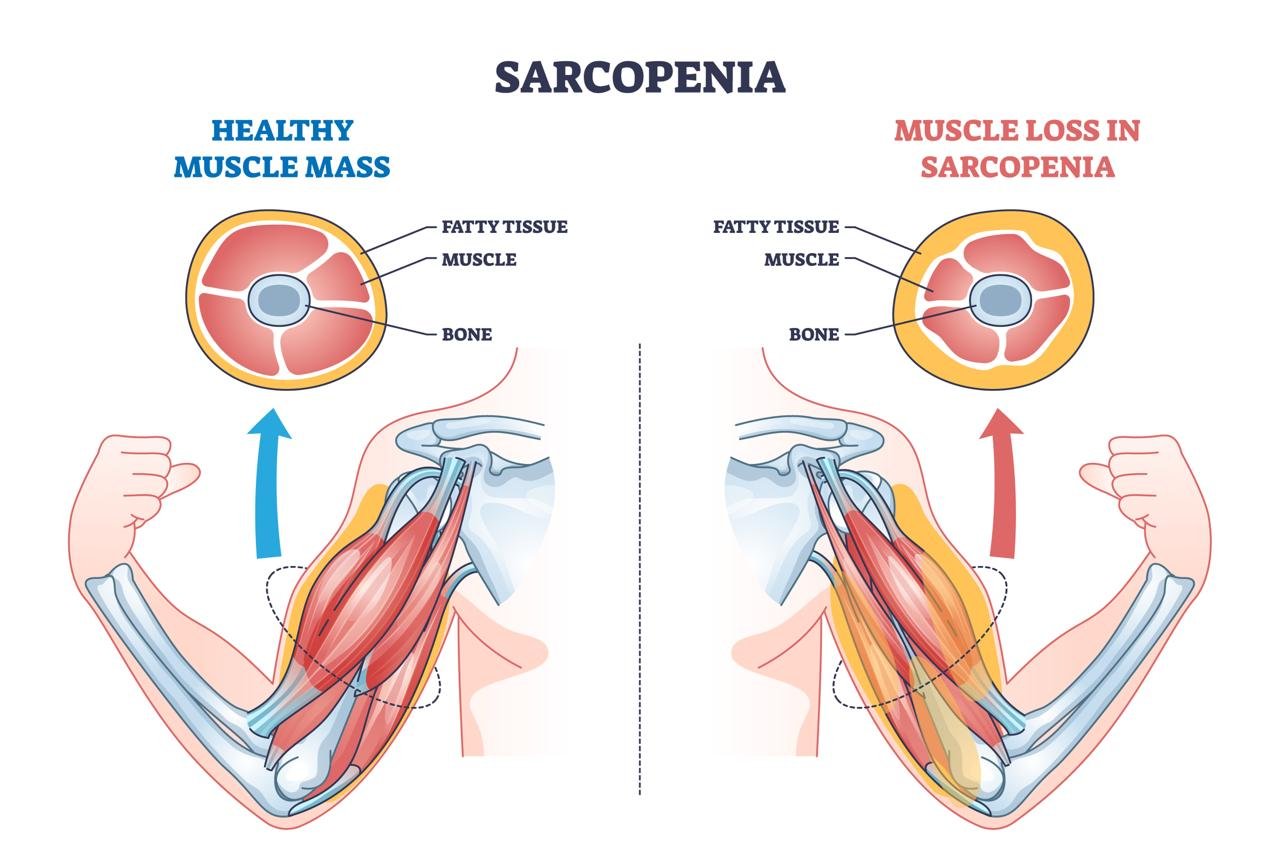
This is why muscle loss with age, often called sarcopenia, is such a major focus in longevity medicine. It can begin gradually in midlife, especially when people move less, eat too little protein, sleep poorly, or lose weight without protecting lean mass.
Muscle supports movement, recovery, metabolism, and independence.
Muscle, metabolism, and the brain
One of the most fascinating developments in healthy ageing research is the recognition that muscle is not only a mechanical tissue. It is also a metabolic and signalling organ.
When muscle tissue is healthy, it helps keep blood sugar stable and improves insulin sensitivity. That matters far beyond diabetes prevention. Poor insulin sensitivity is linked with chronic inflammation, more erratic energy levels, and a greater risk of cognitive decline over time.
Healthy muscle helps stabilise energy, blood sugar, and long-term metabolic health.
Muscle also communicates with the brain. When muscles contract, they release signalling molecules called myokines, some of which support repair, adaptation, and resilience. In simple terms, using your muscles well sends a positive signal to your brain too.
This is one more reason why preserving muscle after 40 helps protect metabolic health, energy, and cognitive function over time.
Four muscle systems that deserve attention
A recent social media post highlighted four markers that matter for ageing well: grip strength, glute strength, calf muscle reserve, and diaphragm function. The wording was simplified, but the general message aligns closely with current evidence.
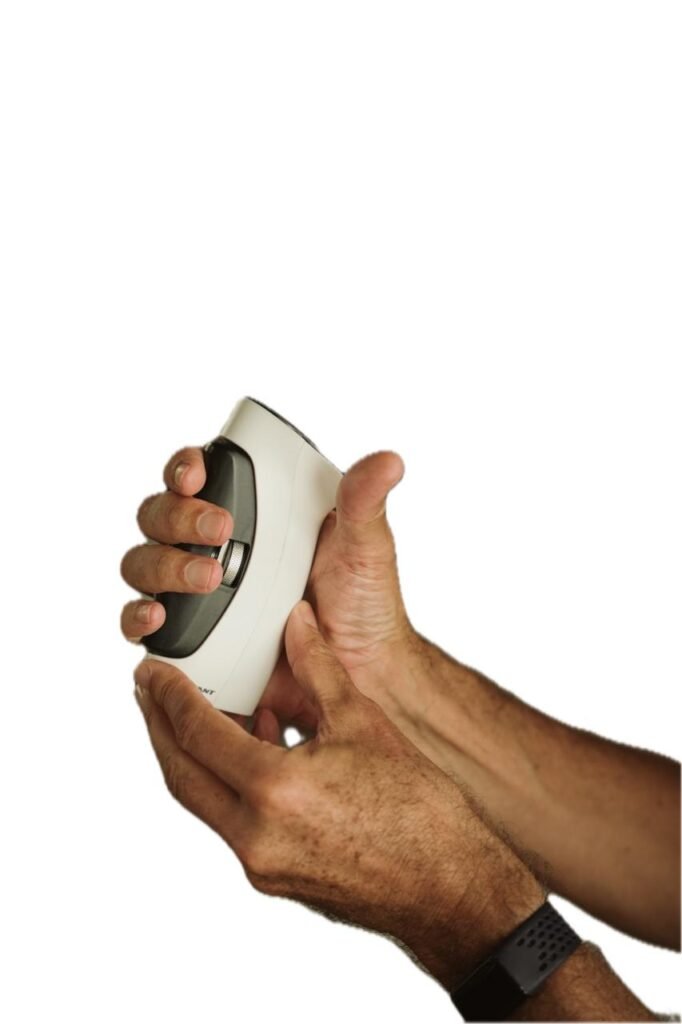
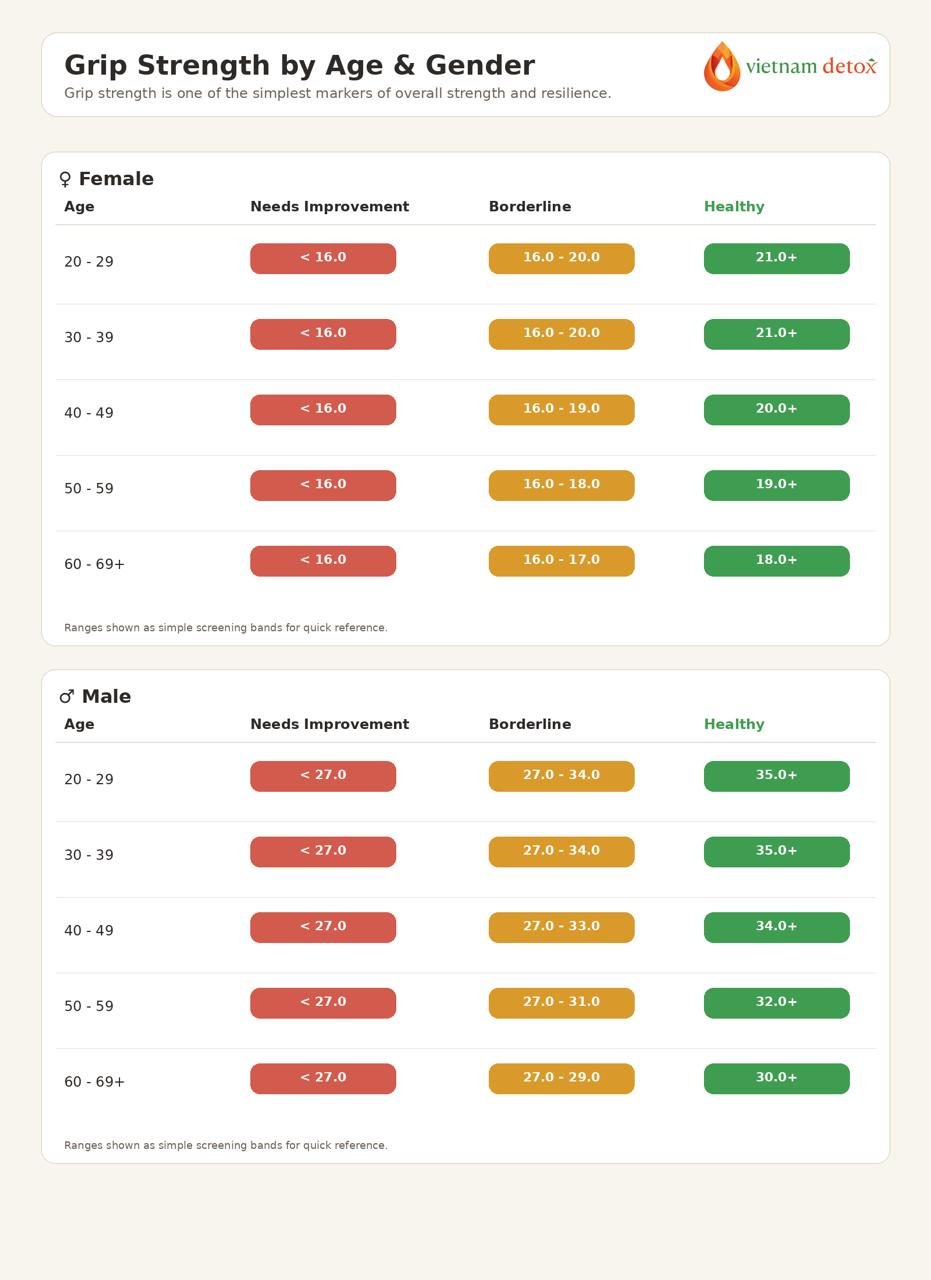
1. Grip strength
Grip strength is one of the simplest and most useful markers of overall physical resilience. It is easy to test, changes with health status, and correlates with outcomes including disability, cardiovascular events, and all-cause mortality.
That does not mean hand strength alone determines lifespan. It means grip strength often reflects the broader state of the muscular, neurological, and cardiovascular systems.
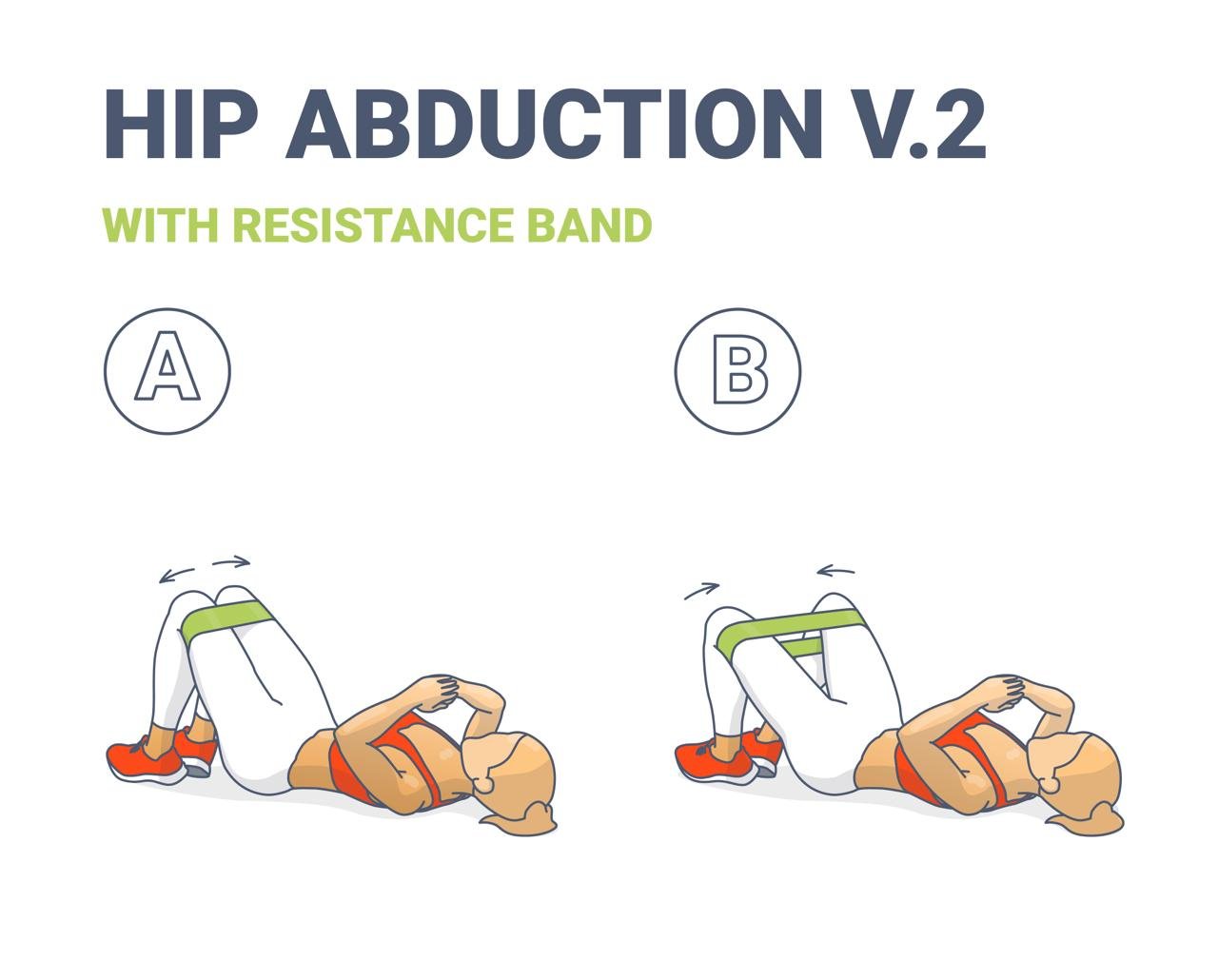
2. Glutes and hip stability
The glute muscles, especially the hip abductors, are essential for balance, walking mechanics, stair climbing, and recovery from slips or stumbles. Stronger hips are linked with better mobility, lower fall risk, and greater confidence in movement.
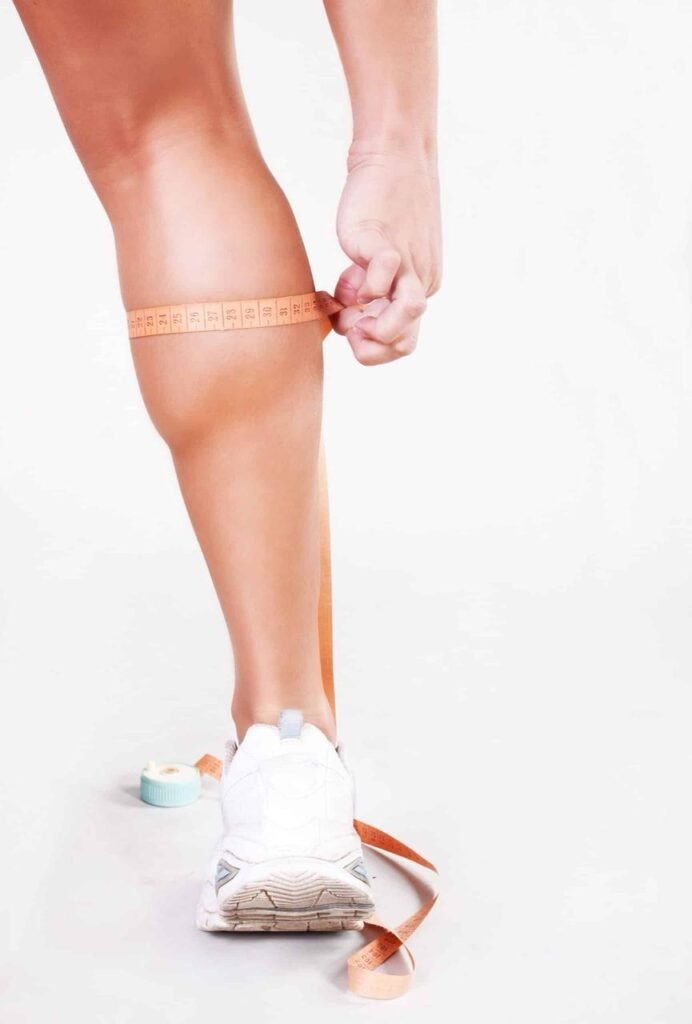
3. Calves and lower body reserve
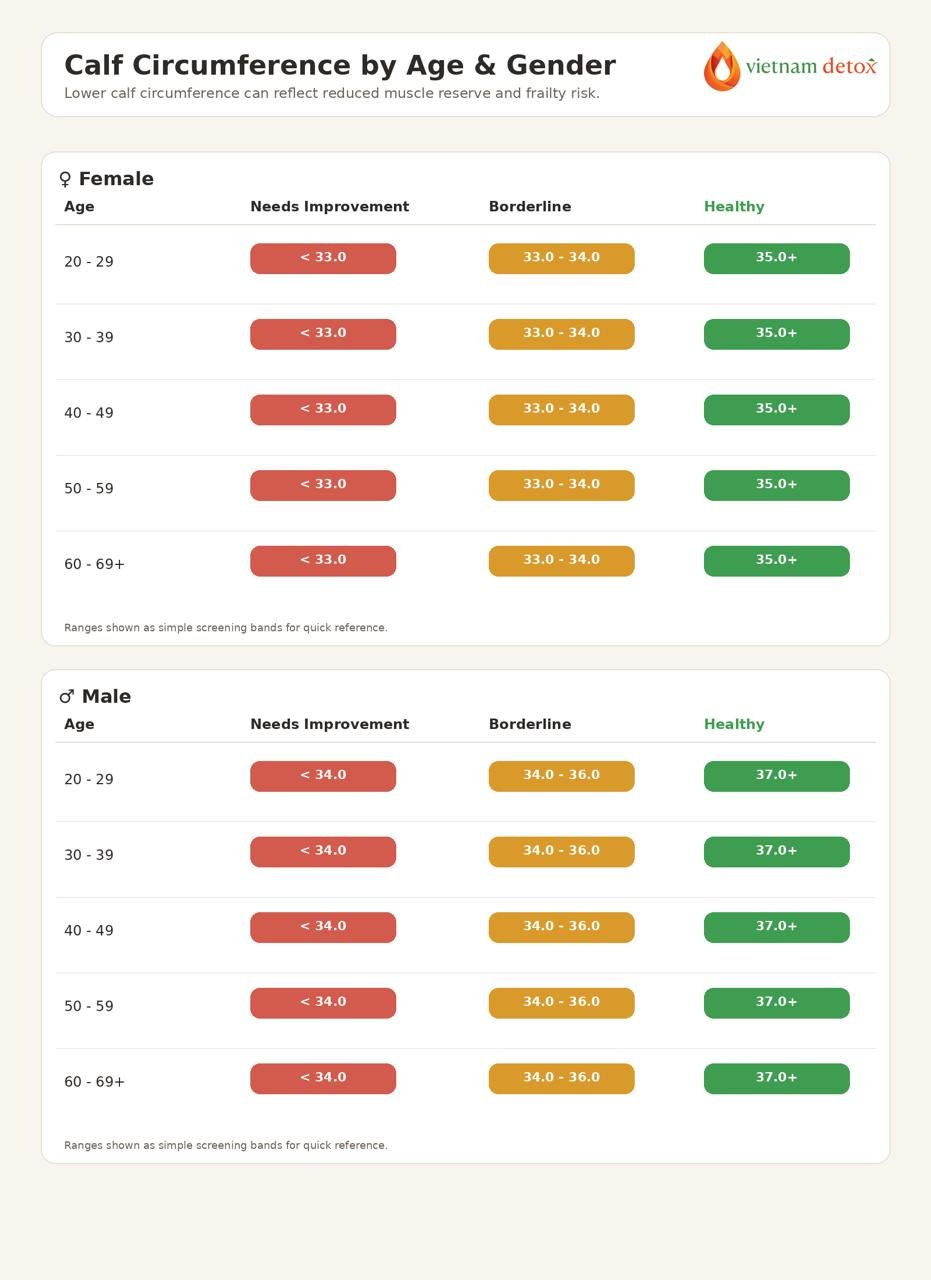
Calves are involved in walking, circulation, balance, pushing off the ground, and lower body endurance. Calf circumference is also used in many clinical settings as a simple proxy for muscle reserve, especially in older adults.
It is not a perfect measure, but it is accessible. In populations where body scans are not practical, calf size can offer a useful clue about whether muscle reserves are shrinking, especially in leaner populations where weight alone looks normal.
4. Diaphragm and breathing strength
The diaphragm is the main muscle of breathing. It supports efficient breathing mechanics, trunk stability, recovery, exercise tolerance, and cough strength.
With ageing and inactivity, respiratory muscle strength can decline. This is one reason breathing practices, aerobic conditioning, upright posture, and overall movement quality matter so much.
Why this matters in Vietnam
This topic is highly relevant in Vietnam. As the population ages, more people are living long enough to experience the slow effects of sarcopenia, reduced mobility, and frailty, while awareness of muscle loss remains relatively low outside specialist circles.
Vietnamese adults may be especially vulnerable if they are underweight, inactive, dieting frequently, recovering from illness, or eating too little protein. A person does not need to look frail to be losing muscle.
Emerging research from Vietnam has also linked sarcopenia with older age, lower body weight, and lower physical activity. In practice, muscle loss often develops quietly over years of underuse, inconsistent nourishment, poor sleep, and unstructured recovery.
Why monitoring muscle matters
Many people monitor weight. Far fewer monitor strength.
Weight alone does not tell us whether someone is ageing well. A person can lose weight and still lose health if the loss comes mostly from muscle, or maintain the same weight while becoming weaker.
Monitoring strength and muscle reserve helps catch decline early, while the body is still highly responsive.
None of these tests alone define health. Together, they provide a practical snapshot of functional ageing.
The role of fasting in a muscle conscious health strategy
Because Vietnam Detox is known for fasting retreats, it is important to explain this clearly. A well designed fasting programme should sit within a broader strategy for metabolic health, recovery, and healthy ageing, not pull against it.
For many years, our fasting resets have focused on preserving functional capacity, encouraging movement, and helping guests reconnect with habits that support long-term vitality. The goal is not simply to reduce intake, but to create the conditions for better decisions and more mindful rebuilding afterwards.
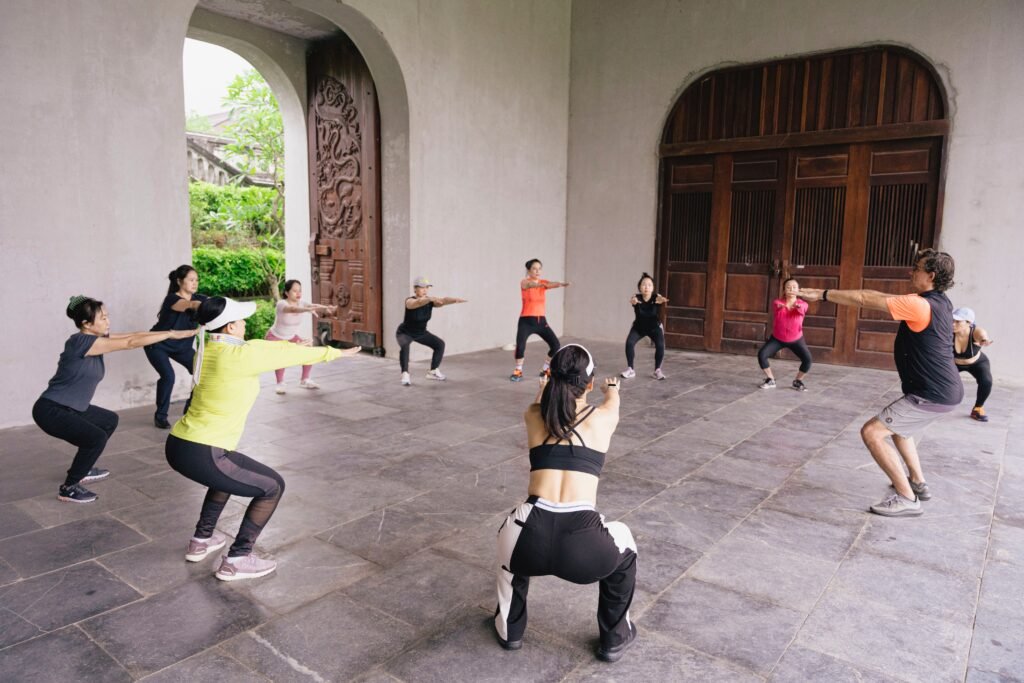
In our retreats, guests are supported before, during, and after fasting through regular movement, thoughtful refeeding, adequate protein, better sleep, and practical strength habits they can continue at home.
Fasting can be a useful tool, but it works best when paired with proper refeeding, intelligent protein intake, and a long-term commitment to strength and function.
That is why muscle mass and longevity have been part of our retreat philosophy for years. A reset should help people return to life with better habits, not with less resilience.
The biggest myths about muscle and ageing
Myth 1: Muscle loss is inevitable and cannot be changed
Ageing changes the body, but muscle remains trainable throughout life. People in their 50s, 60s, 70s, and beyond can improve strength, balance, and function with the right approach.
Myth 2: Walking is enough
Walking is excellent and should absolutely be encouraged. But walking alone is often not enough to maintain muscle strength, power, and bone loading as people age. Specific resistance exercise is needed.
Myth 3: Thin means healthy
Not always. Many people who look lean may still have low muscle mass and poor physical reserve. This is especially relevant in Asia, where lower body weight can hide declining muscle.
Myth 4: Muscle is only about aesthetics
Muscle is a quality of life issue. It helps determine whether someone can travel easily, get up from the floor, carry bags, recover from illness, remain independent, and enjoy later life with confidence.
A practical strategy to maintain and build muscle strength
The most effective approach is not extreme. It is consistent, realistic, and sustainable.
After about 40, three habits become especially important: eat enough protein across the day, do resistance training consistently two to three times per week, and spread protein across meals instead of trying to catch up at dinner.
1. Prioritise resistance training
The body needs a reason to keep muscle. Resistance training provides that reason.
This does not have to mean heavy gym training. It can include:
For most adults, two to four strength sessions per week is an excellent target. The main principle is progressive challenge.
2. Build the lower body on purpose
The lower body deserves extra attention because it is closely linked to independence. Training should include hips, thighs, calves, and balance.
These are highly relevant for older adults because they directly transfer to daily life.
3. Eat enough protein
One common reason people lose muscle is not lack of exercise alone, but chronically low protein intake while getting older and less active.
A practical target for many adults is to include a meaningful protein source at each meal.
Protein distribution matters too. Spreading intake across breakfast, lunch, and dinner is often more helpful than saving most of it for one evening meal.
4. Sleep like recovery matters, because it does
Sleep is one of the most underrated influences on muscle maintenance. It supports repair, hormone regulation, nervous system recovery, and readiness for movement.
Poor sleep makes it harder to build muscle, regulate appetite, and maintain energy. If strength is a goal, sleep has to be treated as part of the programme.
5. Use movement snacks throughout the day
Sitting for long periods tells the body that strength is not required. Short movement breaks can make a real difference.
These mini habits support circulation, glucose control, mobility, and muscle activation.
6. Train balance before you need it
Balance is not just a nervous system skill. It reflects strength, coordination, vision, proprioception, and confidence.
The earlier balance is trained, the easier it is to preserve.
7. Respect refeeding after fasting or illness
Periods of fasting, illness, or reduced appetite can all lower protein intake and reduce muscle stimulation. The recovery period afterwards is a crucial opportunity to rebuild.
This is where a structured refeeding approach matters. Rather than simply returning to convenience foods or overeating, the body benefits from gradual nourishment with enough protein, minerals, fluids, and movement.
A successful reset is not just about the fasting phase. It is about how someone rebuilds afterwards.
What healthy ageing really looks like
Healthy ageing is not the absence of wrinkles. It is the ability to keep doing what matters.
It is the capacity to walk up steps without fear, recover from travel, get down to the floor and back up, and breathe well during effort.
Muscle plays a central role in all of this. It acts as a form of metabolic insurance that helps protect against blood sugar instability, frailty, and faster physical decline.
That is why strength deserves to be monitored, maintained, and built with intention. Not out of vanity, but out of respect for the future.
How Vietnam Detox can help
At Vietnam Detox, this perspective has shaped our fasting resets for many years. Real rejuvenation is not just about digestive rest or lighter eating. It is about improving the foundations of health that allow people to thrive afterwards.
That includes better movement habits, more awareness of muscle reserve, wiser refeeding, better sleep, and a more sustainable long-term approach to vitality. The reset is the starting point. The real transformation comes from what people continue afterwards.
If the goal is not just to live longer, but to live better, then preserving muscle and strength has to be part of the plan.